There is little hope for PC builders in the coming months. In the span of a few weeks, RAM prices have tripled, quadrupled, quintupled, and shot so high they’ve become a meme. SSD storage is likely next to see obtuse price hikes, but soon enough, a CPU and GPU will cost so much more that building a new PC could prove a losing proposition for your wallet.
AMD, one of the largest providers of desktop CPUs and GPUs, is reportedly planning sweeping price hikes for all its current products. According to Overclock3D, based on anonymous industry sources, AMD reportedly told its partners that it’s setting new suggested retail prices for all its CPUs, including the most recent Ryzen 7 9800X3D as well as past AM5 processors in the 7000 series. Overclock3D claims the new retail prices were supposed to hit Monday night, though there are several lingering Black Friday deals keeping the ship afloat, at least for now.
GPUs will likely cost more, too
All CPUs and GPUs rely on some amount of memory, even if it’s not as explicit as the RAM (random access memory) and SSD (solid state drives). On the graphics card side, PC builders will have even more to worry about. Noted GPU leaker harukaze5719, who has a relatively strong track record sharing information on GPUs, posted on X that AMD’s GPUs would see universal price hikes. Any GPU with 8GB of VRAM (aka the lower-end GPUs) will demand $20 more and models with 16GB of VRAM will force PC builders to eat $40 more. This comes after weeks of rumors about increases in GPU costs. PC industry analyst Dan Nystedt claimed last month that AMD had already notified supply chain partners it was raising GPU prices.
AMD 8GB VRAM: +20$
AMD 16GB VRAM: +40$– channelgate
— 포시포시 (@harukaze5719) December 2, 2025
Gizmodo reached out to AMD for comment, and we will update this post if we hear back. AMD’s 9000 series GPUs, such as the Radeon RX 9070 and RX 9070 XT, were nearly impossible to find at their suggested retail price at launch back in March. The XT variant—the one built for 4K gaming—is still difficult to purchase for the fabled $600 price tag. The few GPUs with 8GB of VRAM include one version of the approximately $300 RX 9060 XT (there’s another with 16GB) and the older RX 7600. While that may not seem like too much considering you’re already spending more than $500 on a graphics card, if GPU makers pass on additional VRAM costs to customers, then it will become a much bigger problem.
Unlike Nvidia, AMD doesn’t manufacture any of its own GPUs. Board partners, the companies that actually make these graphics cards, rely on the companies offering them the GPU and VRAM necessary to make these AIC, or add-in cards, PC builders stick inside their desktop towers. Nvidia normally sells GPU makers the VRAM to ensure the finished cards are in compliance with specs. Last week, more unverified rumors stemming from China-centric social media site Weibo suggested that Nvidia has quit supplying partners with the necessary VRAM. That means each company would have to negotiate for its own memory. That’s a lot of small fish each muscling one another for the scraps of major semiconductor manufacturers.
Companies that make the GPUs are already telling customers to expect higher prices. A customer service rep for AIC maker PowerColor told users on Reddit to “buy before the last week of the year before prices kick up.”
We need more options other than brand-new PCs
The DRAM debacle is hurting every PC component, and there’s no question it will impact self-contained mobile devices as well. Valve’s highly anticipated Steam Machine—a small-form PC/console hybrid—will be using a “semi-custom” AMD-designed SoC, or system on a chip, with a purported graphics capability equivalent to the mobile version of the RX 7600. Some users have expressed concern with the limited 8GB VRAM. Valve software developer Pierre-Loup Griffais told Ars Technica that Valve has done “some work around improving video performance management” so that games are not too constrained by lower memory.
In the end, having lower memory specs may be the only way to keep costs down. The Steam Machine likely will be more expensive than the PlayStation 5 is today. We can only hope it won’t be too expensive. Consumers need real options since buying a PC will be so disastrously expensive going into 2026.
At the heart of the issue is the growing demand for high-speed memory from AI datacenters. They’re cropping up like weeds in communities all across the U.S. and beyond, and those building them are spending such a premium on memory that the semiconductor companies who normally make the DRAM and NAND storage for consumer devices have refocused on pumping more oxygen into the ever-growing AI bubble.
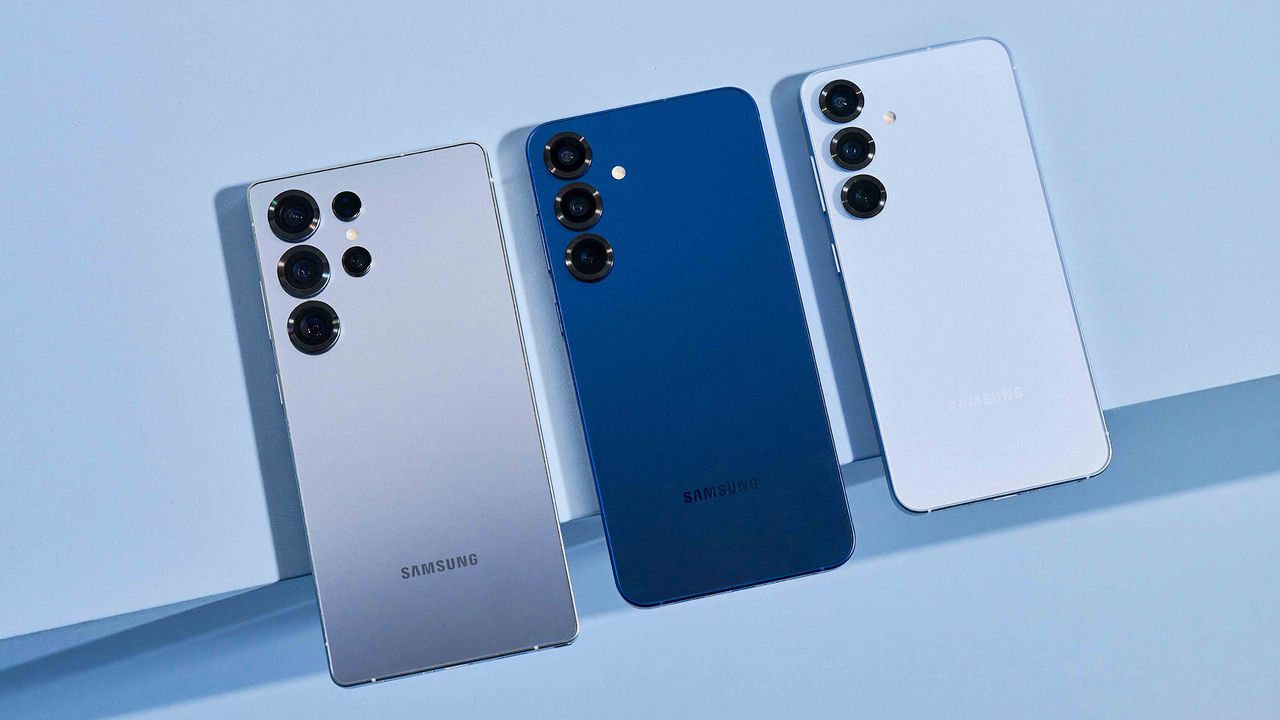
If you want an example of how constrained DRAM is, Samsung—the Korean tech monolith that has a semiconductor division named DS—is reportedly limiting the number of DRAM chips demanded by Samsung’s own smartphone division. This comes on the verge of Samsung releasing its Galaxy S26 in early 2026. The report from Seoul Economic Daily (Sedaily), based on industry sources, suggests DS is reportedly having the Mobile Experience Division come back to renegotiate terms every three months, rather than maintaining a supply for every 12 months. The semiconductor arm reportedly doesn’t want to miss out on the mass amount of money to be made off AI data center demand.
As companies eat themselves from the inside out just to supply AI datacenters, consumers are going to be left footing the bill. Just don’t expect the pain to end anytime soon.